How to Get More Google Reviews Without Begging Your Customers
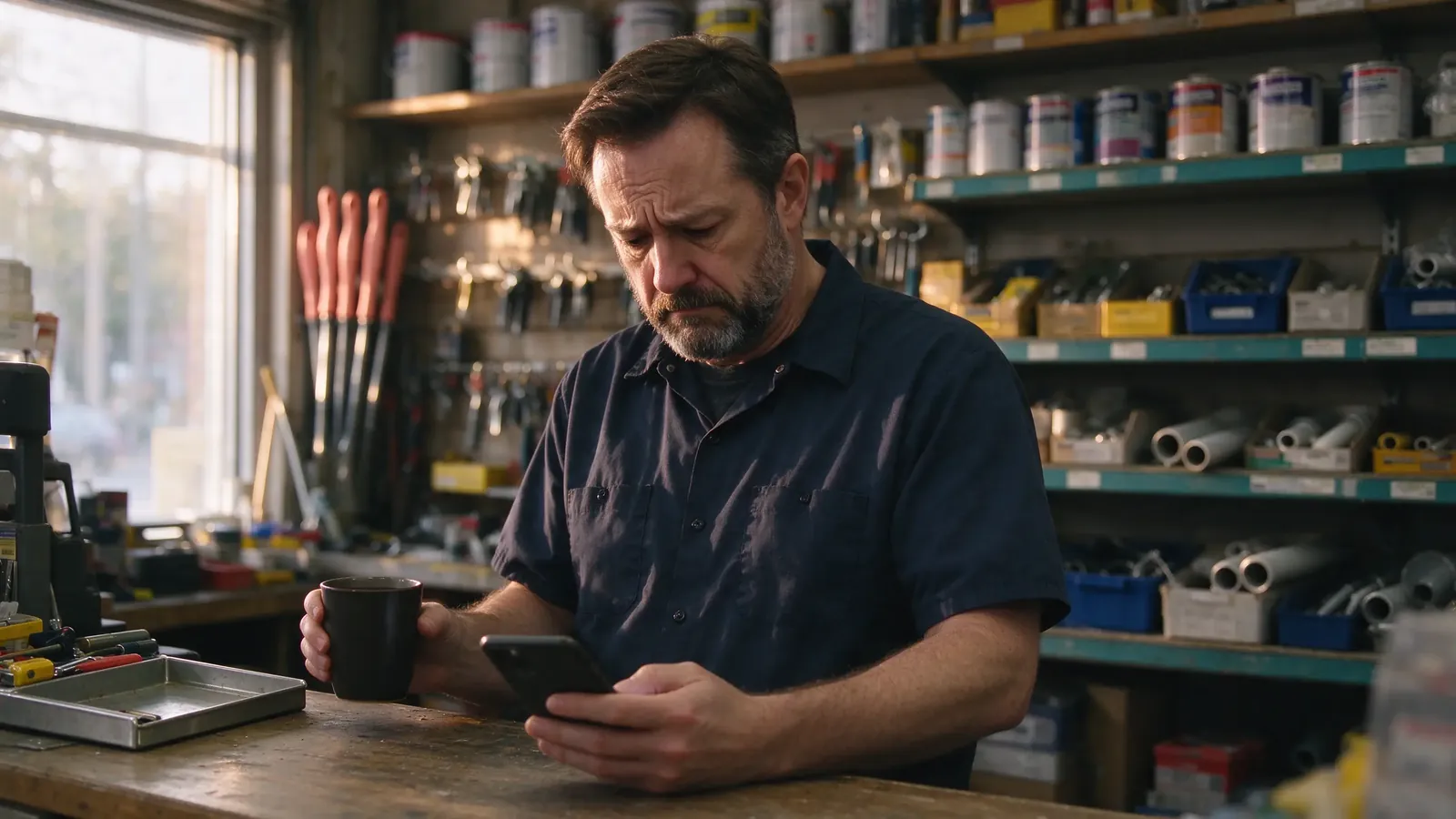
You did great work. The customer smiled, shook your hand, said "this is perfect, thank you so much", and drove away.
Two weeks later, your competitor down the road has eleven new Google reviews. You have the same four you've had since last year. Not because his work is better. Because he asked, and asking felt so awkward to you that you just… didn't.
If that sounds familiar, this post is the fix. Getting reviews isn't about begging, bribing, or bothering people. It's about timing, one sentence, and a system so simple it runs itself.
Why do Google reviews matter so much for a local business?
Short answer: Reviews do two jobs at once. They push you up in Google's local results, recency and rating are major ranking signals, and they're the first thing a customer reads before calling. A business with fresh, answered reviews looks alive and trustworthy; a business with four old ones looks like a question mark.
When someone in your town compares you with two competitors on Google, she isn't reading your websites. She's reading your stars, your review count, and what the last few customers said, this month, not in 2022.
That's why reviews sit at the center of local SEO for NJ businesses. You can optimize everything else, but if a competitor is collecting reviews weekly and you're collecting them yearly, they will outrank you and out-sell you, even with worse work. The full picture of how this plays out is in Why Your NJ Business Isn't Showing Up on Google.
What's the right moment to ask for a review?
Short answer: The moment of peak happiness, right when the customer sees the finished work, tastes the first bite, or says "thank you, this is great." That's when goodwill is highest and the ask takes ten seconds. Wait a few days, and even your happiest customer has moved on with life.
Every business has this moment. For a contractor, it's the walkthrough. For a salon, it's the mirror moment. For a restaurant, it's when the table is laughing over dessert. For a service business, it's the follow-up call where the customer confirms everything works.
Ask then, not by email three days later, not with a sad little sign by the register they've seen forty times. In the moment, in person, while the smile is still on their face. If your business doesn't have a natural in-person moment, the second-best time is within a few hours, by text, while the experience is still fresh.
What exactly should I say? (Scripts that don't feel desperate)
Short answer: One warm sentence that explains why it matters and makes it effortless: "It really helps our small business when customers share their experience on Google, would you mind? I'll text you the link, it takes less than a minute." Specific, honest, human. That's the whole secret.
Here are scripts you can use as-is:
In person, at the happy moment:
"I'm so glad you love it. Would you do us a huge favor? Google reviews are how new customers find us. I'll send you a link, it takes about a minute, and it honestly makes a big difference for us."
By text, right after the job:
"Hi [Name], thanks for choosing us! If you were happy with the work, we'd really appreciate a quick Google review, here's the link: [link]. Thanks again!"
By email, for businesses without a text relationship:
Subject: Quick favor? "Hi [Name], thanks for working with us. If we earned it, a short Google review helps other [homeowners/customers] in [town] find a business they can trust. Here's the direct link: [link]. Thank you!"
Notice what none of these do: offer a discount, apologize for asking, or ask for "five stars." Asking only for positive reviews, or rewarding reviews, violates Google's policies and can get reviews removed or your profile suspended. Ask everyone honestly. Your real customers will do the rest.
How do I make it effortless for the customer?
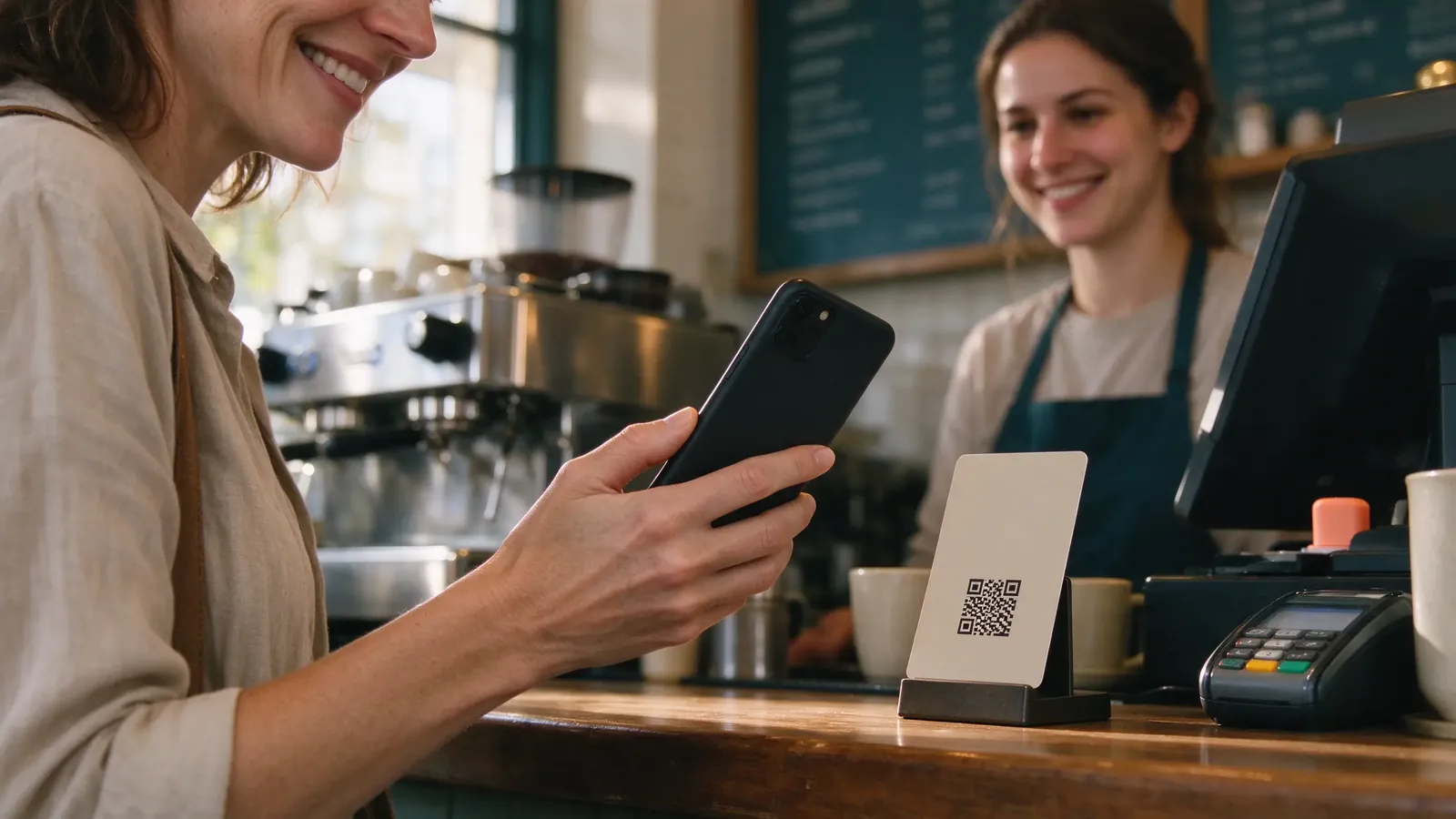
Short answer: Remove every step between the ask and the review. Use your Google review short link or a QR code that opens the review box directly, never tell a customer to "just search for us on Google and find the review button." Every extra step cuts your response rate in half.
Get your direct review link from your Google Business Profile dashboard (the "Ask for reviews" button gives you a short link). Then put it everywhere the ask happens:
- A QR code card at the register, on the invoice, on the table tent, on the back of your business card.
- A saved text template on your phone and your team's phones, so asking takes ten seconds.
- A link in your follow-up email and on your website's thank-you page.
- On the receipt or the "job complete" paperwork your customer already receives.
The rule is simple: the customer should be able to go from "sure, I'll leave one" to a published review in under a minute, on their phone, without searching for anything.
What should I do when a review actually comes in?
Short answer: Respond to every single one, ideally within 24-48 hours, personally, by name, mentioning something specific. Responses show future customers how you treat people, and Google counts owner responses as a sign of an active, trustworthy business.
For a positive review, skip the copy-paste "Thanks for your feedback!" and write like a person:
"Thank you, Maria! Getting your kitchen finished before your daughter's visit meant a lot to the whole crew. Enjoy it, and call us anytime."
For a negative review, your response isn't really for the reviewer, it's for the hundred future customers who will read it. Stay calm, don't argue, don't make excuses:
"Hi James, I'm sorry your experience didn't match what we aim for. That's not our standard, and I'd like to make it right, please call me directly at [number] so I can fix this."
That kind of response wins customers. A defensive, sarcastic one loses them, and one bad public argument can cost more than the original complaint ever would.
How do I turn this into a system instead of a hope?
Short answer: Assign it. Decide who asks, at which moment, with which script, using which link, and make it part of the job, not a favor. Then track new reviews monthly against your top two competitors. What gets assigned and measured happens; what gets "remembered" doesn't.
A simple weekly routine that works for almost any local business:
- Every completed job ends with the asksame moment, same script, every time. No exceptions for "they seemed busy."
- One follow-up text the next day for anyone who didn't get asked in person. One. Not three.
- Respond to all new reviews twice a week, batch it, ten minutes.
- Count at month's end: your new reviews vs. your competitors'. If they're gaining faster, your routine has a leak, find it and fix it.
Whether you run a shop in Union or serve the whole county, the math is the same: a business collecting eight reviews a month passes a stagnant competitor with a head start within a season or two. Google rewards recency, and customers trust momentum.
FAQ
Is it against Google's rules to ask customers for reviews? No. Asking is encouraged, what's banned is paying for reviews, offering incentives, asking only happy customers, or posting fake ones. An honest ask to every real customer is exactly what Google wants.
Should I respond to negative reviews? Always, and calmly. A professional, caring response often convinces future customers more than the bad review deters them. Never argue in public, acknowledge, apologize where fair, and offer to fix it directly.
How many reviews do I need before it makes a difference? There's no threshold, but momentum matters: fresh reviews arriving every week, a rating around 4.5 or higher, and an owner who responds. Ten recent reviews beat fifty stale ones.
Can I put a QR code for reviews in my store? Yes, it's one of the easiest wins. Print your review link as a QR code on a counter card, invoice, or receipt. Just make sure the code opens the review form directly, not your homepage.
What if a review is fake or from a competitor? Flag it through your Google Business Profile and report the policy violation. Google doesn't remove everything, but clear fakes, no record of the customer, obvious spam patterns, are worth reporting and sometimes removed.
Your happy customers are already willing. They just need the ask.
Every week, customers leave your business happy and say nothing online, not because they wouldn't help, but because nobody made it easy at the right moment. Build the ask into your routine and the reviews compound: more visibility, more trust, more calls. At sejafy, we build this review engine into the local presence we manage for NJ owners, profile, website, and follow-up working together, so your reputation grows while you focus on the work itself.